
Nutrition
Vitamin supplementation
How the FDA regulates dietary supplements, who may benefit from a multivitamin, and the risks of taking too much vitamin A, beta-carotene or vitamin D.
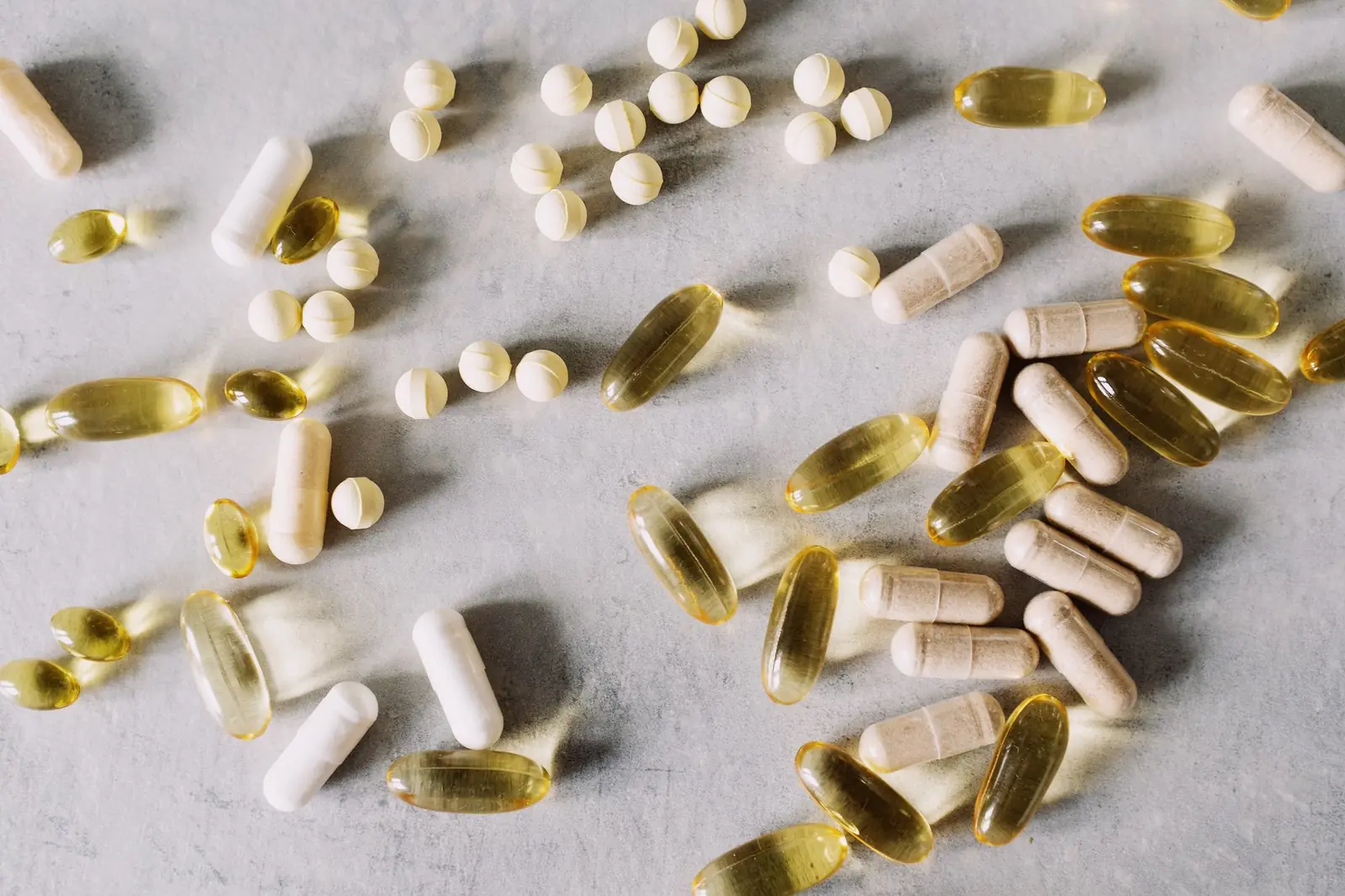
Multivitamin supplementation
According to the Food and Drug Administration, Congress defined the term “dietary supplement” in the Dietary Supplement Health and Education Act (DSHEA) of 1994.
A dietary supplement is a product taken by mouth that contains a “dietary ingredient” intended to supplement the diet. The ingredients of these products may include vitamins, minerals, herbs or other botanicals, amino acids, and substances such as enzymes, organ tissues, glandulars and metabolites. DSHEA places dietary supplements in a special category under the general umbrella of “foods,” not drugs.
Under DSHEA, the company that produces the dietary supplement is responsible for determining the supplement’s safety and that any representations or claims made about it are substantiated by adequate evidence to show that they are not false or misleading. This means that dietary supplements do not need approval from the FDA before they are marketed.
Unlike drug products, which must be proven safe and effective for their intended use before marketing, there are no provisions in the law for the FDA to “approve” dietary supplements for safety or effectiveness before they reach the consumer. Once the product is marketed, the FDA has the responsibility for showing that a dietary supplement is “unsafe” before it can take action to restrict the product’s use or remove it from the marketplace.
Who may benefit from the nutrients in multivitamins?
Most people who have true vitamin deficiencies have underlying medical problems that prevent either absorption of a nutrient from the diet or its metabolism. For example, patients who have undergone gastric bypass surgery, have malabsorption disorders, or have chronic alcoholism are unable to obtain the right nutrients from their diet. It is best for most people to obtain vitamins and minerals from eating a well-rounded, healthy diet.
However, some people benefit from certain vitamin supplementation. Pregnant women and women who might be pregnant are recommended folic acid supplementation, especially in the first trimester, to prevent neural tube defects in their babies. Pregnant women may also be recommended iron supplementation by their health care provider.
Patients who have vitamin D deficiency and/or osteoporosis or osteopenia are recommended calcium and vitamin D supplementation to help increase bone mineral density and decrease fractures in postmenopausal women.
People over age 50 tend not to absorb vitamin B12 as well. They, as well as vegans, should obtain recommended intakes of vitamin B12 mainly from fortified foods or dietary supplements.
Individuals with poor nutrient intake from diet alone, who consume low-calorie diets, or who avoid certain foods (such as strict vegetarians and vegans) might also benefit from taking multivitamins.
Too much or too little? How do you choose a multivitamin?
When you are supplementing your diet with multivitamins in pill form, how do you know if you are taking too much or too little?
Your doctor is the best person to ask about a supplement you are planning to take. In addition, the back of the vitamin bottle lists the percentage of the recommended daily value for each ingredient.
Special considerations for certain groups
Most basic multivitamins contain both vitamins and minerals, mostly at levels that do not exceed the daily recommended values for these nutrients. However, people who take multivitamins and other supplements and who eat fortified foods and beverages might consume some nutrients at levels that exceed the upper level of recommended intake, which increases the possibility of adverse effects.
Smokers and, possibly, former smokers should avoid multivitamins that contain a large amount of beta-carotene or vitamin A, due to an increased risk of lung cancer suggested in several studies.
Taking excess vitamin A (as preformed retinol, but not beta-carotene) during pregnancy can increase the risk of birth defects in infants. In the general population, overconsumption of vitamin A can cause yellow-orange staining of the skin, hair loss, dry and scaly skin, mouth sores, anorexia, vomiting, nausea, abdominal pain and headaches.
Overconsumption of vitamin D can cause high blood calcium levels, kidney stones from high blood and urine calcium levels, anemia and kidney failure.
Information about different dietary supplements can be found online in the dietary supplement fact sheets on the National Institutes of Health website.
This article is general information, not advice for your situation. Members can call the office with questions about their own care.