Nutrition
Fiber: why it matters and how to get more
Fiber is linked to lower risk of heart disease, diabetes and colorectal cancer. How much to aim for, the two kinds, and simple ways to add it without discomfort.
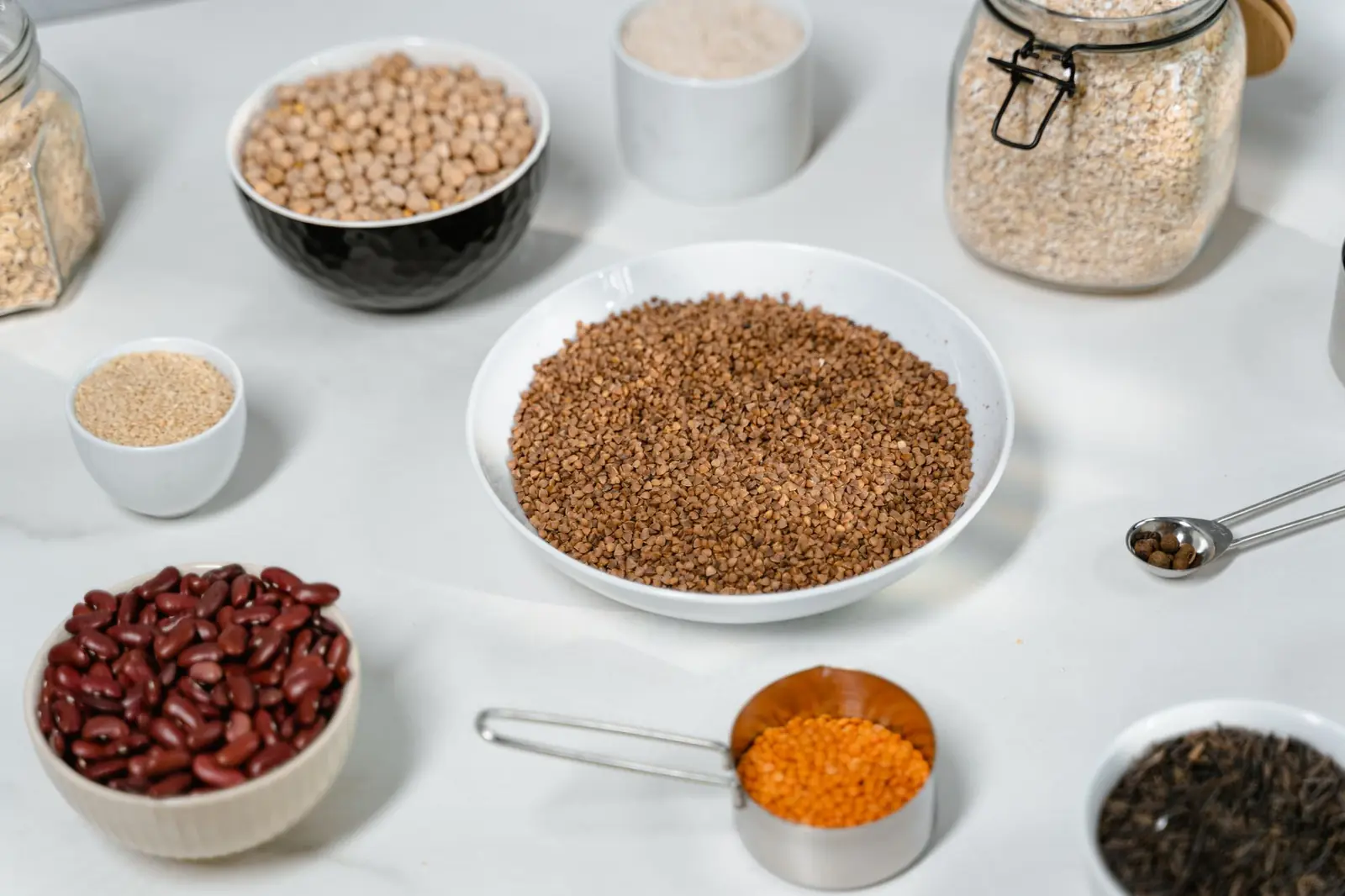
Fiber is the part of plant foods that your body does not digest. That sounds like a reason to skip it, but it is the opposite. Fiber shapes digestion, blood sugar, cholesterol and the bacteria that live in the gut, and most adults eat far less than recommended.
What the research shows
The largest look at the question, a 2019 series of reviews in The Lancet covering 185 long-term studies and 58 clinical trials, found that people who ate the most fiber had a 15 to 30 percent lower risk of death from any cause and from heart disease, and of coronary heart disease, stroke, type 2 diabetes and colorectal cancer, compared with those who ate the least. In the clinical trials, higher fiber intake lowered body weight, systolic blood pressure and total cholesterol.
The benefits were greatest at about 25 to 29 grams a day, and the authors suggested more could help further. Most of the evidence is observational, but the dose-response pattern was strong enough that the authors judged the links could be causal.
Two kinds, two jobs
MedlinePlus describes two types of fiber, and most plant foods contain some of each:
- Soluble fiber attracts water and turns to gel during digestion, which slows things down. It is linked to lower cholesterol. Good sources are oats and oat bran, barley, beans, lentils, peas, nuts, seeds, some fruits and psyllium.
- Insoluble fiber adds bulk to stool and helps food move through the gut. Good sources are wheat bran, whole grains and vegetables.
How much to aim for
The standard recommendation is 14 grams of fiber for every 1,000 calories you eat. Because calorie needs drop with age, that works out to roughly 28 grams a day for men over 50 and 22 grams for women over 50. On food labels, the FDA uses a Daily Value of 28 grams; a serving with 20 percent or more of the Daily Value counts as high in fiber, and 5 percent or less as low.
Most people fall well short. An analysis of national survey data presented at the American Society for Nutrition’s 2021 meeting found that fewer than 1 in 10 U.S. adults meet the recommendation. The 2025 to 2030 Dietary Guidelines for Americans ask people to prioritize fiber-rich whole grains alongside daily vegetables and fruit.
Easy ways to get more
- Start the day with oats or a high-fiber cereal, topped with berries or sliced fruit.
- Add beans or lentils to soups, salads and grain bowls a few times a week.
- Swap refined grains for whole ones: whole wheat bread and pasta, brown rice, barley, quinoa.
- Keep the skin on apples, pears and potatoes.
- Snack on nuts, seeds or fruit instead of chips or crackers.
- Fill half the plate with vegetables at lunch and dinner.
When you shop, check the grams of dietary fiber on the Nutrition Facts label and compare similar products, such as two loaves of bread or two boxes of cereal. The differences are often larger than you would guess, and the higher-fiber choice usually costs no more.
These fit easily into the Mediterranean diet, which is built around the same foods. Whole foods also bring vitamins, minerals and other plant compounds that a supplement does not.
Adding fiber without discomfort
The NIDDK advises adding fiber a little at a time so your body can adjust, and drinking plenty of liquids to help it work. Going from very little to a lot in one week is the usual reason for gas and bloating. Increase over a few weeks, and see hydration for older adults for the fluid side.
Talk with your doctor before a big change if you have a bowel condition, a history of bowel obstruction, trouble swallowing, or kidney disease with a potassium limit, since beans, lentils and some fruits are high in potassium. If you are thinking about a fiber supplement, ask whether to space it from your medicines. Our article on constipation has more on bowel habits.
At Legacy Medical, Dr. Shtern can look at your diet alongside your cholesterol, blood sugar and kidney numbers and suggest changes that fit your health and your kitchen. The annual executive physical is a natural time for that conversation, and a complimentary meet and greet is the way to start.
This article is general information, not advice for your situation. Members can call the office with questions about their own care.