Nutrition
Hydration for older adults: how much is enough
Thirst fades with age, and Florida heat raises the stakes. What the reference numbers say, the early signs of dehydration, and when drinking more is the wrong advice.
“Eight glasses a day” is the rule most people know, but it does not fit everyone. How much fluid you need depends on your size, activity, the weather, your health and your medicines. For older adults in South Florida, a few of those factors line up in the wrong direction.
Why it gets harder with age
MedlinePlus notes that some people lose their sense of thirst as they age, so they do not drink enough. The National Institute on Aging makes the same point and adds that some medicines make plenty of fluids even more important. Its advice: do not wait until you feel thirsty, and spread fluids through the day.
Other common reasons older adults run low include water pills (diuretics), diabetes with high blood sugar, illness with fever, vomiting or diarrhea, and cutting back on drinks to avoid trips to the bathroom. Our article on how often you should urinate covers the bladder side of that trade-off.
What the reference numbers say
The most cited figures come from the National Academies, which set an adequate intake of total water of about 3.7 liters a day for men and 2.7 liters for women. Two details are often missed:
- That total includes food. About 80 percent comes from drinking water and other beverages, and about 20 percent from food. Fruit, vegetables, soup and yogurt all count.
- Coffee and tea count too. The panel concluded that caffeinated drinks contribute to daily fluid intake, because the diuretic effect of caffeine is short-lived.
The same report said most healthy people meet their needs by letting thirst be their guide, and that people who are very active or live in hot climates may need more. For older adults whose thirst signal is weaker, a routine works better than waiting to feel thirsty. The figures are averages from a 2004 report, not a personal target.
Signs you are running low
MedlinePlus lists the common signs of dehydration in adults as feeling very thirsty, a dry mouth, urinating and sweating less than usual, dark urine, dry skin, fatigue and dizziness.
Seek medical help right away if dehydration comes with confusion, fainting, very little urine, a racing heartbeat, fast breathing or signs of shock. Call 911 if someone is confused and cannot keep fluids down, or if you see signs of a stroke or heat stroke.
Because dark urine is one of the signs on that list, urine color makes a rough everyday check. It is not perfect: some vitamins and medicines change the color, so ask your doctor if yours looks unusual.
Easy ways to drink more
- Have a full glass of water with each medicine and each meal.
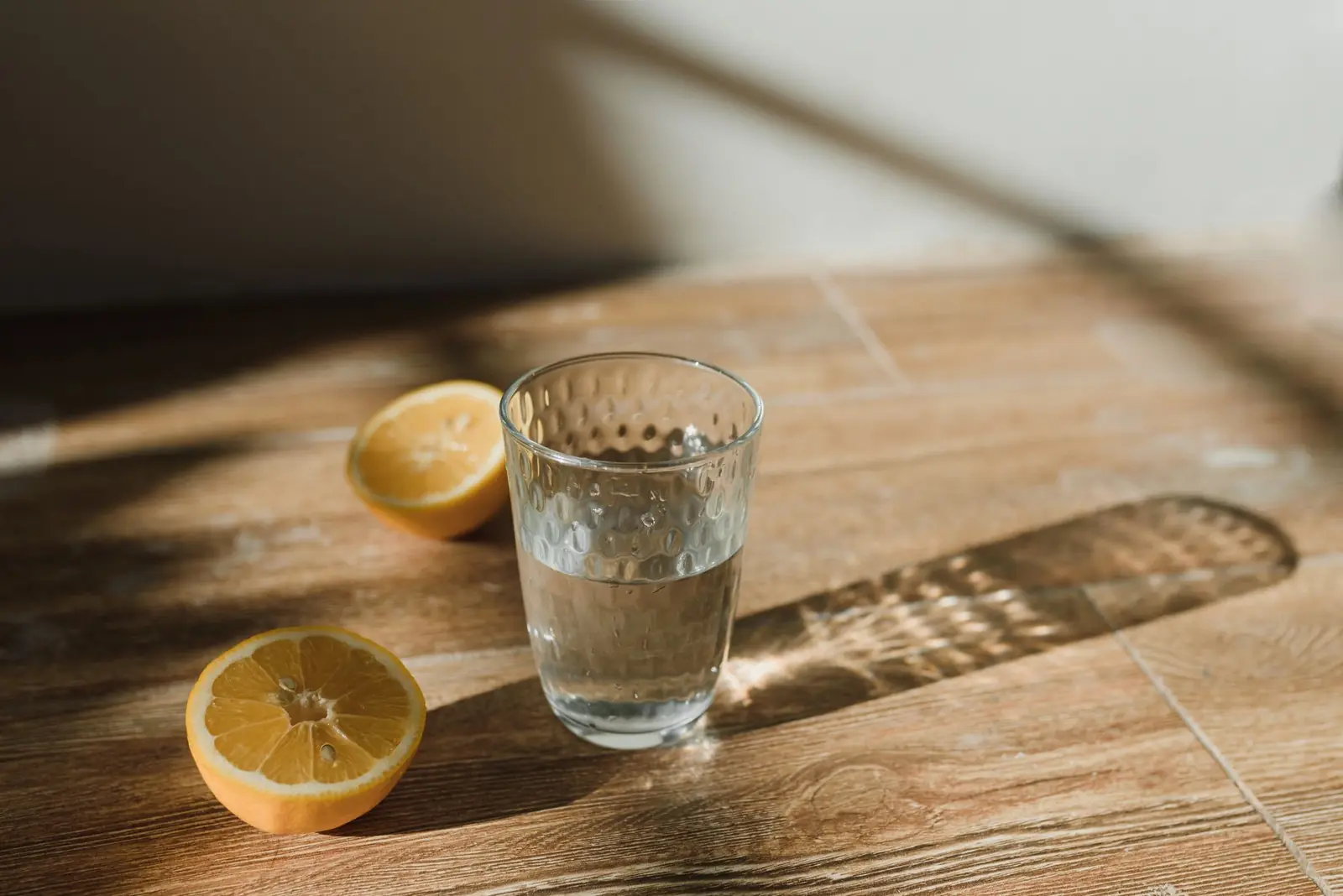
- Keep a filled bottle where you sit, in the car and in your golf or beach bag. The CDC suggests a reusable bottle and a slice of lemon or lime for flavor.
- Front-load the day: drink more in the morning and early afternoon, less in the evening if night trips to the bathroom are a problem.
- Eat water-rich foods such as melon, citrus, cucumbers, tomatoes and soup.
- Drink more on hot days, during exercise and when you are sick.
- Go easy on alcohol, which adds to fluid loss in the heat.
For family members helping a parent, the National Institute on Aging suggests offering other drinks if plain water is not appealing, such as juice, flavored water, broth, milk, or decaffeinated coffee or tea, and asking the doctor how much fluid to aim for each day. A filled glass within reach does more than a reminder.
When more is not better
Some people need to limit fluids. That includes many people with heart failure, advanced kidney disease, certain liver conditions, or a low blood sodium level. The National Institute on Aging’s advice for hot weather is that if your doctor has told you to limit liquids, ask what to do when it is very hot. The same applies to sports drinks and electrolyte packets, which can carry sodium, sugar or potassium you may need to watch.
As a nephrologist, Dr. Shtern sees both sides of this: kidney strain from too little fluid in the heat, and fluid overload when the heart or kidneys cannot keep up. Our article on heat, hydration and kidney health goes further into the kidney side, and kidney care explains her approach. To meet her, book a complimentary meet and greet.
This article is general information, not advice for your situation. Members can call the office with questions about their own care.