Nutrition
Bananas are an amazing source of nutrition
What a banana gives you: potassium, magnesium, fiber and resistant starch, plus why people with kidney disease or diabetes may need to limit them.
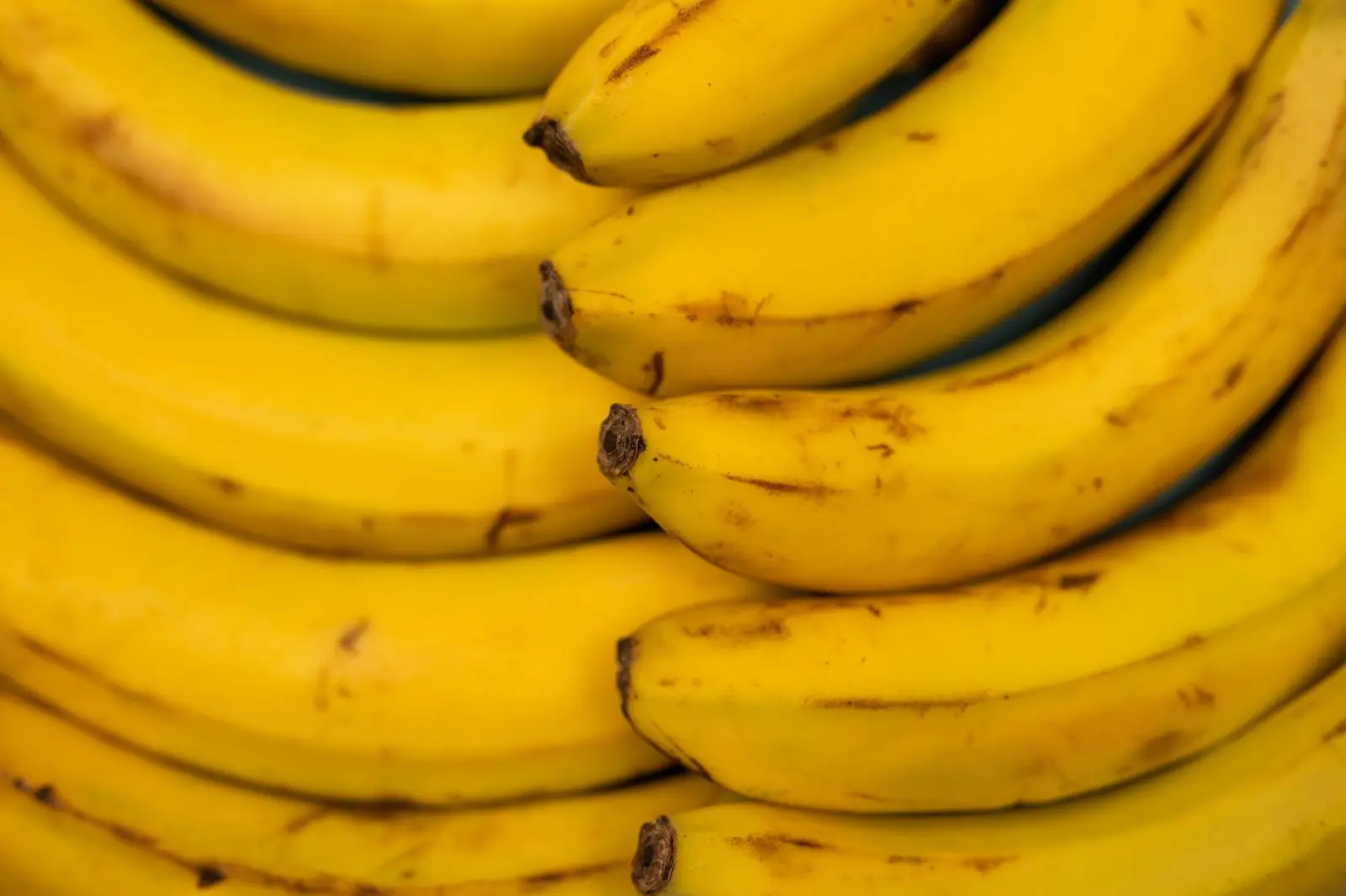
Bananas are an amazing source of nutrition. They are low in calories: a medium-size banana is about 105 calories. The banana has a low to medium glycemic index (depending on how ripe it is), and bananas may help moderate blood glucose levels after meals and may reduce appetite by slowing stomach emptying.
A banana contains about 422 mg of potassium, which is important for cellular function and heart health. It also contains magnesium, another mineral important for heart and muscle health. Eating bananas may decrease blood pressure in healthy people. Bananas can help relieve post-exercise muscle cramps.
A banana has 3.1 grams of dietary fiber, which is important for regular bowel movements and digestion. Bananas contain resistant starch, which may feed your friendly gut bacteria and may even protect against colon cancer.
A banana also contains vitamin C, vitamin B6, copper and manganese.
Bananas are high in several antioxidants, which may help reduce damage from free radicals and may lower your risk of some diseases.
Is it better to eat ripe or unripe bananas?
Unripe bananas are healthier because they have more fiber and less glucose than ripened bananas. Unripe bananas have high amounts of resistant starch, which may improve insulin sensitivity.
Who should be careful with bananas?
Certain groups of people should not consume bananas. People who have problems excreting potassium from their body, such as patients who have advanced kidney disease or who are receiving hemodialysis, can develop potassium overload, which can be life-threatening.
People who have diabetes may not benefit from ripe bananas due to their high glucose content.
This article is general information, not advice for your situation. Members can call the office with questions about their own care.