Medications
Medicines and supplements that can strain your kidneys
NSAIDs, acid reflux pills, some supplements and contrast dye can affect the kidneys. Who is most at risk, what the guidelines say and what to ask before you stop anything.
The kidneys clear many medicines from the body, which puts them in the path of side effects. Most medicines are safe at the right dose, and many of the most important ones protect the kidneys. A handful, though, deserve extra care, especially if you are older, take several prescriptions or already have reduced kidney function.
The 2024 KDIGO kidney guideline asks doctors to consider kidney function when dosing medicines, review medication lists regularly, and review and limit over-the-counter medicines and herbal remedies that may be harmful in kidney disease. This article covers the most common culprits.
NSAID pain relievers
Ibuprofen, naproxen and other NSAIDs are the best known. The National Kidney Foundation explains that NSAIDs lower blood flow to the kidneys and can cause acute kidney injury or worsen chronic kidney disease, especially at higher doses or with long-term use. KDIGO adds that regular over-the-counter NSAID use has been linked to a higher risk of kidney failure.
NKF advises that people with CKD, particularly with an eGFR below 60, avoid NSAIDs and not self-treat with them. It also advises caution for anyone taking blood pressure medicines such as ACE inhibitors, ARBs or diuretics. Topical NSAID gels are an option NKF describes as possibly safe in CKD, and acetaminophen is generally safe for the kidneys at recommended doses, though it can harm the liver in excess. Our article on NSAIDs: risks and side effects goes into more detail, and over-the-counter pain medicine safety compares the options.
Acid reflux pills (PPIs)
Proton pump inhibitors such as omeprazole, esomeprazole and pantoprazole are among the most widely used medicines. KDIGO notes they have been associated with acute kidney injury and chronic kidney disease through inflammation of the kidney tissue (interstitial nephritis), and lists H2 blockers as an alternative in some cases.
A 2016 study in JAMA Internal Medicine followed more than 10,000 adults and found PPI use was associated with a higher risk of developing CKD, a finding repeated in a second group of about 250,000 patients. Studies like this show an association rather than proof of cause. The practical lesson is simpler: PPIs are worth reviewing every so often to confirm you still need one. Do not stop a PPI on your own if it was prescribed for a specific reason, such as ulcer protection.
Supplements and herbal products
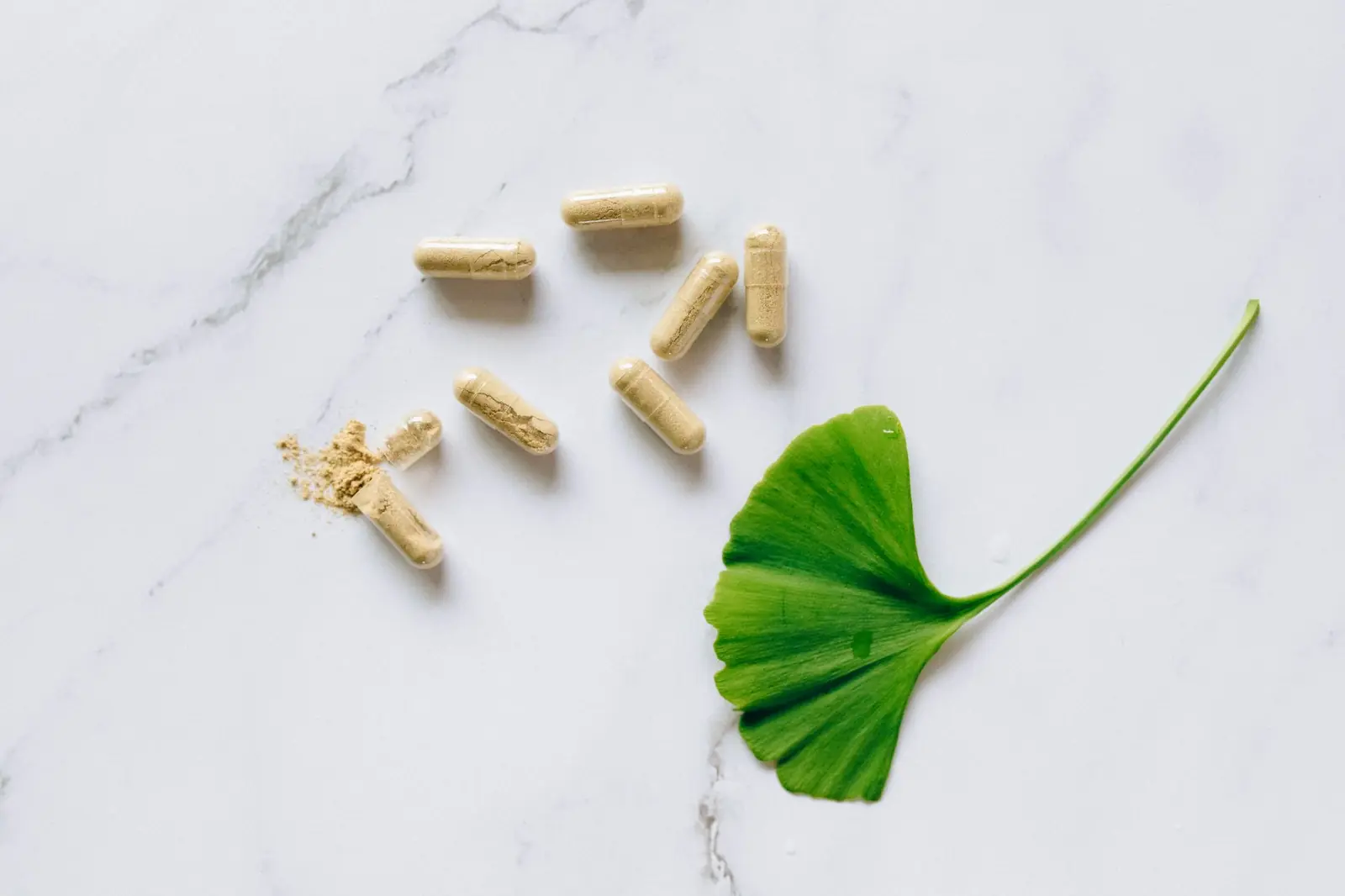
Supplements are often assumed to be safe because they are natural. The National Kidney Foundation points out that the FDA does not regulate herbal supplements for dose, content or purity, and that some products have been found to contain heavy metals. Several concerns stand out:
- Aristolochic acid, found in some traditional herbal products, is a known cause of kidney damage.
- High-risk herbs on NKF’s list include comfrey, licorice root, yohimbe and chaparral.
- Creatine, popular for building muscle, has been linked by KDIGO to allergic inflammation of the kidney.
- High-dose vitamin C can, in excess, lead to calcium oxalate crystals in the kidney, according to KDIGO, and Mayo Clinic lists vitamin C supplements among risk factors for kidney stones.
- Kelp, some green powders and potassium-rich products can be a problem for people who need to limit potassium.
- “Kidney detox” or “cleanse” products and proprietary blends, which NKF advises avoiding because their contents are unclear.
NKF suggests looking for independent testing seals such as USP or NSF, and bringing the bottle or a photo of the label to appointments. Our article on who needs a multivitamin covers the wider question.
Contrast dye and other prescriptions
Concern about CT contrast dye has eased. A 2020 consensus statement from the American College of Radiology and the National Kidney Foundation concluded that the risk of kidney injury from IV iodinated contrast has been overstated. It recommends preventive IV fluids for people with an eGFR below 30 who are not on dialysis, or with recent acute kidney injury, and leaves the 30 to 44 range to the ordering clinician’s judgment. The National Kidney Foundation adds that some medicines, such as metformin and NSAIDs, may need to be paused around a scan, and that skipping a needed scan has risks of its own.
Other prescriptions also need watching. KDIGO lists certain antibiotics (including aminoglycosides, vancomycin and sulfamethoxazole-trimethoprim) and lithium among medicines with known kidney effects. Many others, such as some diabetes medicines and some antibiotics, simply need a lower dose when eGFR is reduced. The pharmacy label rarely says so, which is why a doctor who knows your kidney numbers should see the whole list.
Sick days and what to do next
Vomiting, diarrhea or a fever that keeps you from drinking can turn a safe medicine into a risky one. KDIGO notes that some medicines, including metformin, ACE inhibitors, ARBs and SGLT2 inhibitors, may be paused for a short time around surgery or an acute illness, and that a clear plan to restart them matters just as much. Ask your doctor for written sick-day instructions rather than stopping anything on your own.
Call your doctor if you are unable to keep fluids down, notice much less urine, or develop new swelling after starting a medicine. Call 911 for severe shortness of breath, chest pain or confusion.
Dr. Yana Shtern is board-certified in Internal Medicine and Nephrology, and she checks prescriptions against kidney function as part of care. Our kidney care page and our article on medication review for older adults explain more. If you would like a fresh look at your medication and supplement list, bring it to a complimentary meet and greet with Dr. Shtern.
This article is general information, not advice for your situation. Members can call the office with questions about their own care.