Seasonal residents
A hurricane season health checklist for older adults
A practical hurricane checklist for older adults in Palm Beach County: medicines, records, power-dependent equipment, dialysis plans and family contacts.

Most hurricane checklists focus on water, batteries and shutters. Those matter. But for older adults, and especially for anyone managing a chronic condition, the health side of the plan is where the real gaps tend to be: a prescription that runs out on day four, an oxygen concentrator with no backup power, or a dialysis schedule that no one has thought about.
This checklist is meant to be worked through on a quiet day, well before a storm is on the forecast.
Medicines
Pharmacies and doctors’ offices may be closed for days after a storm. The National Kidney Foundation suggests that people with kidney disease keep a current list of their medicines and doses with them, and a two-week supply of medicines at home (NKF). That is sensible advice for anyone on daily medicines.
- Keep a written list of every medicine, the dose and the prescriber, and a photo of it on your phone.
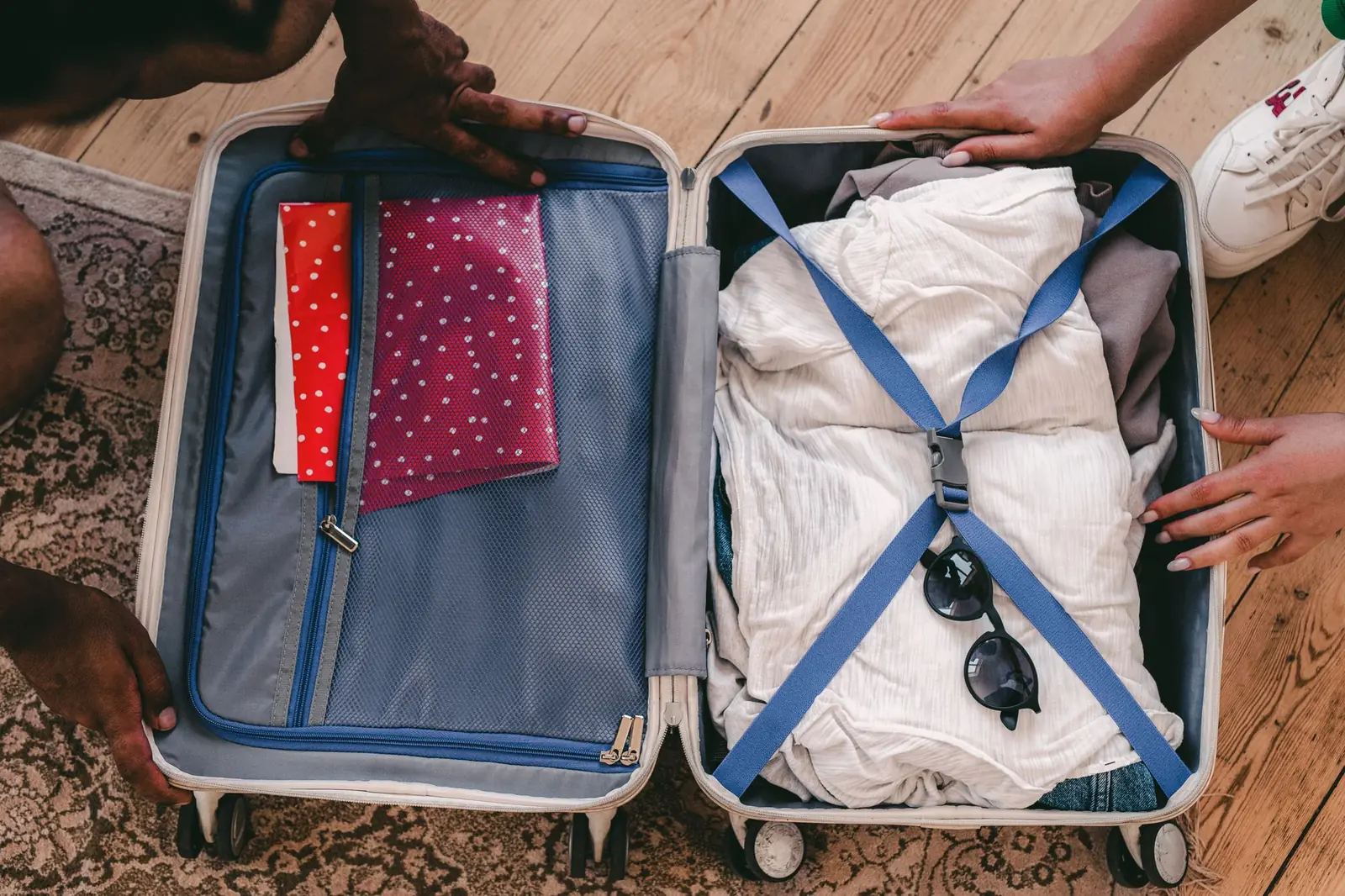
- Store medicines in a waterproof bag or container you can grab quickly.
- Ask your doctor in advance which medicines matter most if you can only take a few with you.
- Plan for medicines that need refrigeration, such as some insulins, and ask your pharmacist how long they keep without it.
Florida law helps with refills. Under section 252.358 of the Florida Statutes, when your county is under a hurricane warning, a declared state of emergency, or has activated its emergency operations center, state-regulated insurers must waive the usual “refill too soon” limits and pay for at least a 30-day supply if you have refills remaining. Plans not regulated by the state may follow different rules, so ask your pharmacy early.
Records and contacts
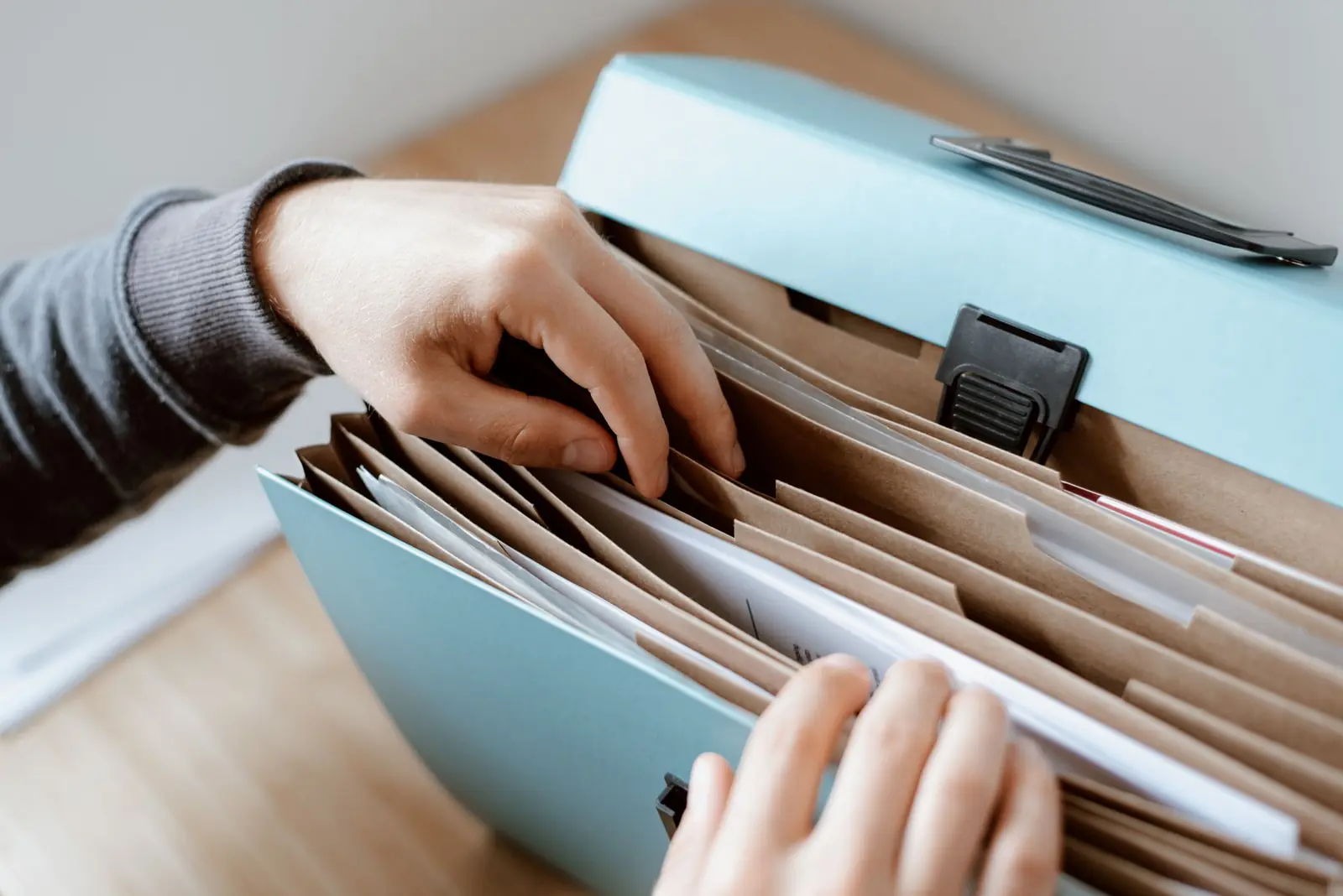
If you evacuate or end up in an unfamiliar emergency room, a short paper summary can save a great deal of time. Keep it in the same bag as your medicines:
- Your diagnoses, allergies and recent surgeries
- Your medication list
- Insurance and Medicare cards, or copies
- Names and phone numbers of your doctors, your pharmacy and a family contact
- A copy of any advance directive or health care surrogate form
Ready.gov’s guidance for older adults also recommends building a support network of family, friends, neighbors and caregivers and including them in your emergency planning. Adult children who live elsewhere should have the same contact list. Our page for families explains how we keep family members informed with written permission.
Equipment that needs power
Oxygen concentrators, CPAP machines, powered wheelchairs, home dialysis machines and some lift chairs all depend on electricity. Ready.gov advises people who use medical equipment that requires electricity to talk with their doctor or health care provider about how to keep it running during a power outage (Ready.gov).
Ask the equipment supplier about battery backup and how long it lasts, and write down the supplier’s emergency number. If you rely on power-dependent equipment, consider Florida’s Special Needs Registry, which lets local emergency managers know about people who may need help during an evacuation. The state notes that registering does not guarantee a special needs shelter space or assistance, so it should be one part of a plan, not the whole plan.
If you are on dialysis
Missed dialysis is one of the more serious health risks after a storm. The National Kidney Foundation’s emergency guide recommends talking with your dialysis team about their emergency plan, keeping a list of other dialysis units in your area, and, for people on home dialysis, keeping a two-week stock of supplies and registering with your local water and power companies so they know you need service restored quickly.
NKF also describes an emergency meal plan for people on dialysis to follow if treatments are missed. Ask your nephrologist and dialysis dietitian to go over it with you before the season starts, not during a storm watch. If you have kidney disease but are not yet on dialysis, it is still worth asking how a missed week of usual care would affect you. Our kidney care page explains how Dr. Shtern’s Nephrology training shapes the care she provides.
Heat after the storm
The days after a hurricane are often hot, humid and without air conditioning. CDC notes that people 65 and older are more prone to heat-related health problems, partly because they are more likely to take medicines that affect the body’s ability to control temperature or sweat (CDC). Plan where you would go to cool down, and who would check on you. We cover this more in heat, hydration and your kidneys in South Florida.
If you would like to go over your own hurricane health plan with a doctor who knows your medicines and history, you are welcome to start with a complimentary meet and greet with Dr. Shtern at our Palm Beach Gardens office. Family members are welcome to join.
This article is general information, not advice for your situation. Members can call the office with questions about their own care.