Seasonal residents
Traveling with medications: packing, time zones and refills
How to pack prescriptions for a flight, handle doses across time zones and avoid running out when you split the year between two homes.
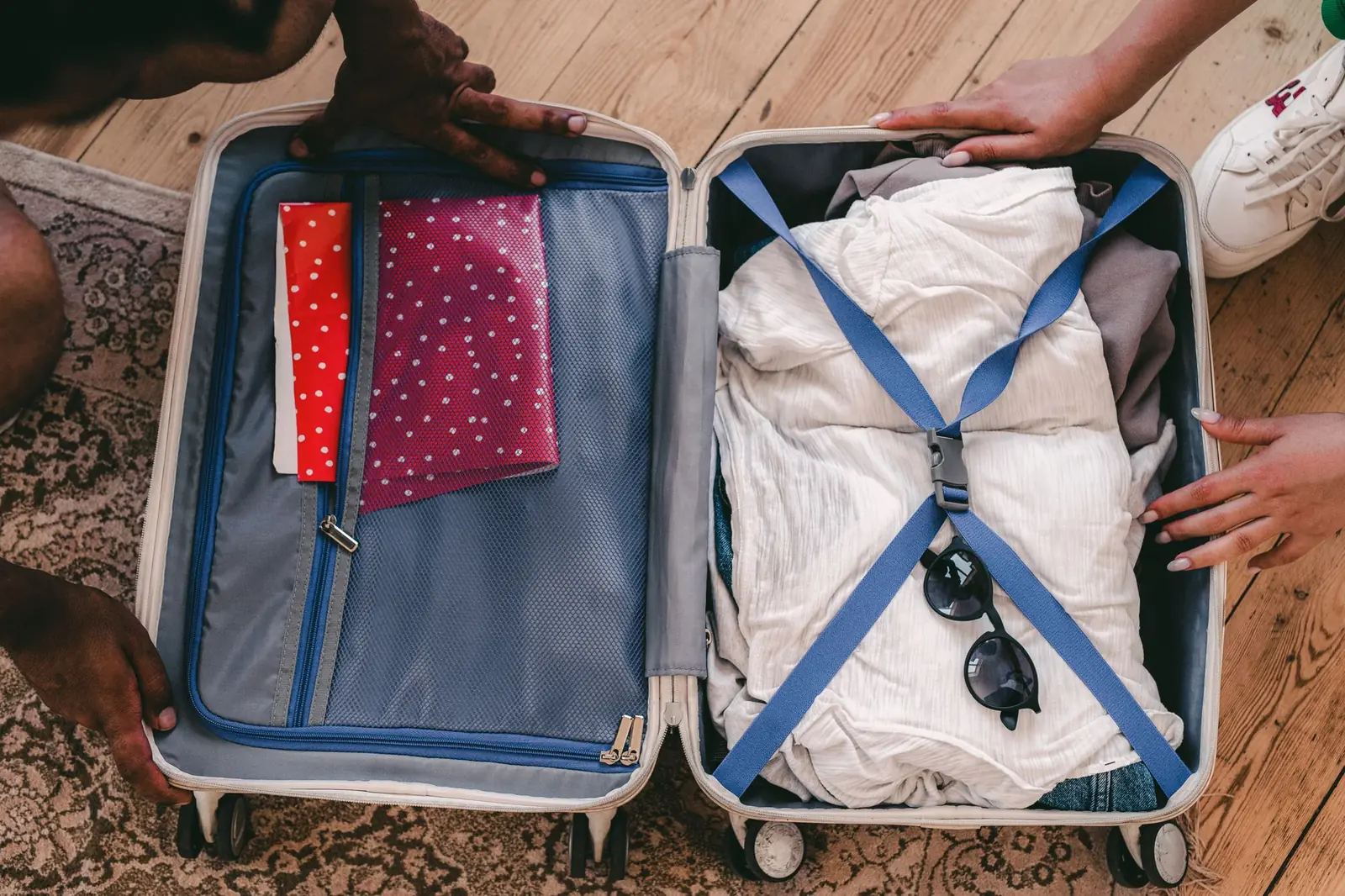
For seasonal residents, the trip south in the fall and north in the spring involves more than closing up a house. It means moving months of prescriptions, sometimes refrigerated ones, and keeping refills going across two states and two pharmacies. A missed blood pressure pill or a lost insulin pen is easy to prevent with a little planning.
The advice below comes from the CDC’s travel health pages and the Transportation Security Administration (TSA).
Packing: carry it on, keep the labels
The CDC’s guidance on traveling with medicine is straightforward:
- Pack medicines in your carry-on, in case your checked luggage is lost or delayed.
- Keep them in their original labeled containers, showing your name, the prescriber and the dose. The CDC Yellow Book advises against travelling with only a daily pill organizer, because loose pills can be hard to identify.
- Bring enough for the whole trip plus extra in case of delays.
- Carry copies of your prescriptions, including generic names, and leave a copy with someone at home.
TSA allows pills in both carry-on and checked bags, with the final decision resting with the officer at the checkpoint. For liquid medicines, gels and injectables, TSA permits larger amounts of medically necessary liquids in reasonable quantities; tell the officer at the start of screening and place them in a separate bin. Clear labels make that screening quicker.
Time zones and dose timing
A move between Florida and New York does not change the clock, but trips to the West Coast or overseas do. The CDC’s rule is that medicines should be taken according to the time since your last dose, not the local time of day, and it recommends asking your doctor how to adjust if you will cross time zones.
That conversation matters most for medicines where timing is sensitive, such as insulin and some other diabetes medicines, blood thinners, seizure medicines and some heart medicines. Ask before the trip, write the plan down, and keep a watch or phone set to home time if that makes the schedule easier.
Refills when you live in two places
Running out is the most common problem we hear about. A few habits help:
- Count before you go. Check every bottle two to three weeks before travel, not the night before.
- Ask your drug plan about an early or travel supply. Many plans have a process for this; the rules vary, so call the number on your card.
- Consider a national pharmacy chain or mail order, so refills can be filled in either state.
- Keep one up-to-date medication list that both of your doctors see. Our article on medication reviews explains why this matters.
- Plan ahead for controlled medicines such as some pain, sleep and attention medicines, which have stricter refill and transfer rules. Your prescriber and pharmacist can tell you what applies to you.
Heat, cold and special items
Do not leave medicines in a parked car, which can get very hot in a Florida afternoon. Insulin and some injectable medicines need cool storage; ask your pharmacist how to carry them for the length of your trip. Pack supplies such as glucose test strips, a blood pressure cuff, inhalers and spare batteries for hearing aids with your medicines, not in a checked bag.
If you are going abroad, the CDC suggests checking with the embassy of your destination, and of any country where you change planes, because some medicines that are routine in the United States are restricted elsewhere. For controlled or injectable medicines, a letter from your doctor describing your condition and treatment is often useful. The CDC also warns against relying on buying medicine abroad, because counterfeit drugs are common in some countries.
A short travel checklist
- Count every medicine and refill early.
- Pack medicines in your carry-on, in labeled containers, with extra days.
- Bring a printed medication list and copies of prescriptions.
- Ask about dose timing if you will cross time zones.
- Pack needed devices and supplies alongside the medicines.
- Save your doctors’ and pharmacies’ numbers in your phone.
For more on splitting the year, see Medicare when you live in two states and moving your medical records to a Florida doctor.
Legacy Medical cares for many patients who spend part of the year away, with video visits through telehealth when you are out of town. The seasonal residents page explains how that works, and a complimentary meet and greet is the place to start.
This article is general information, not advice for your situation. Members can call the office with questions about their own care.