
Healthy aging
Body composition vs. BMI: what the scale misses
BMI is a quick screening number, not a verdict. What it cannot tell you about fat, muscle and where weight sits, and better questions to ask as you age.
Body mass index, or BMI, is the number most people hear about at a checkup. It is simple: your weight divided by the square of your height. It is also limited, especially for older adults, for very muscular people, and for anyone whose weight sits mostly around the middle.
This article explains what BMI is good for, where it falls short, and what else your doctor may look at.
The CDC describes BMI as a quick, low-cost and reliable screening measure for underweight, overweight and obesity. It is useful across large groups of people and easy to track over time. For an individual, the CDC says BMI should be considered alongside other factors, such as blood pressure, cholesterol and a physical examination.
What BMI cannot see
The same CDC page is direct about the limits. BMI does not distinguish between fat, muscle and bone, does not show what type of fat a person has, and does not show where on the body fat is carried.
That matters with age. Two people can share a BMI and have very different bodies: one with strong legs and little abdominal fat, the other with less muscle and more fat around the organs. As muscle declines in later life, a stable BMI can hide a shift toward more fat and less muscle.
In 2025 an international commission in The Lancet Diabetes and Endocrinology went further, writing that BMI-based measures can both underestimate and overestimate body fat and give inadequate information about an individual’s health. The commission proposed defining clinical obesity by its effect on how organs and the body function, rather than by a number alone.
Waist size: a simple second measure
Where fat sits is part of the risk. The National Heart, Lung, and Blood Institute notes that if most of your fat is around your waist rather than your hips, you are at higher risk for heart disease and type 2 diabetes. A waist circumference of more than 35 inches for women or more than 40 inches for men increases that risk.
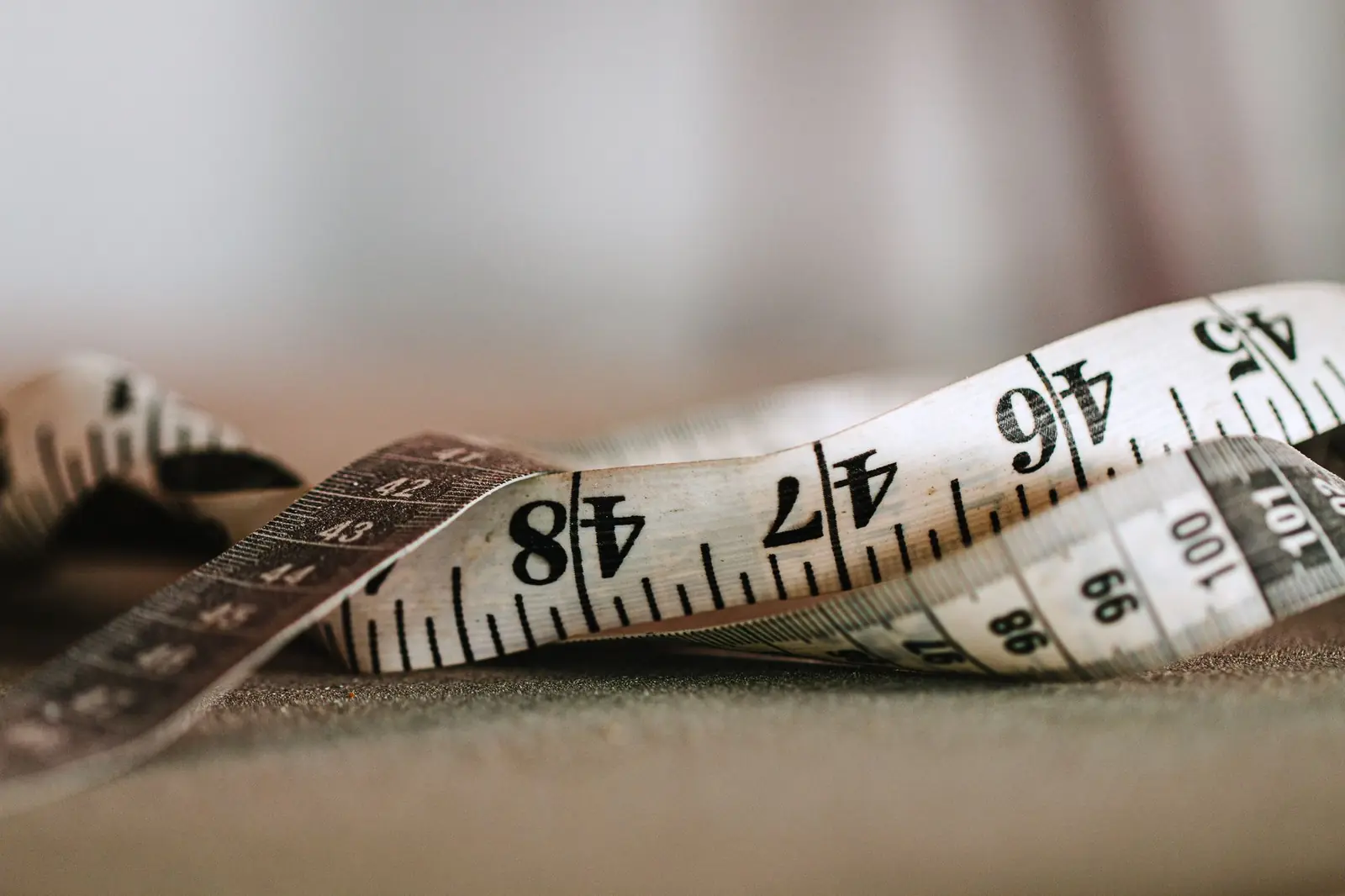
To measure at home, NHLBI suggests standing, placing a tape measure around your middle just above the hipbones, and reading it just after you breathe out. It takes 30 seconds and adds real information to the number on the scale.
Other ways to look at body composition
Several tools estimate fat and lean mass more directly, from imaging to devices that pass a small electrical current through the body. They vary in accuracy, availability and cost, and the readings from consumer scales can swing with hydration. A DXA scan, the low-dose x-ray best known for measuring bone density, is the test many people have already had in some form.
Whether a body composition test is worth doing depends on what you would do with the result. If you would like one, ask Dr. Shtern whether it makes sense for you and where it can be done. For many people, a tape measure, a few blood tests and an honest look at strength and fitness answer the same questions.
What your doctor looks at instead of one number
- Waist circumference, as above.
- Blood pressure, measured carefully in the office and, ideally, at home as well.
- Blood sugar and cholesterol. An A1c and a lipid panel show how weight is affecting metabolism. Our article on prediabetes and A1c explains the numbers.
- Strength and function. How easily you rise from a chair, climb stairs and keep your balance. See strength training after 50.
- Trends over time, which say more than any single visit.
If you want to change your composition
The tools are familiar: regular aerobic activity, strength training on at least two days a week, and an eating pattern you can keep. For people who need to lose weight, NHLBI notes that health professionals recommend losing 5 to 10 percent of your starting weight over about six months, and that even 3 to 5 percent can lower triglycerides and blood sugar.
As you lose weight, watch your waist and your strength as closely as the scale. A smaller waist with steady or improving strength is the result most people are after, even if the scale moves more slowly than they hoped.
Putting it together
BMI is a starting point, and a reasonable one. It works best as one line in a fuller picture that includes where weight sits, how strong you are, and what your blood work shows. The earlier article on why obesity is considered a disease covers the medical side of weight in more depth.
At Legacy Medical, labs are drawn in the office and the annual executive physical includes time to go through the results together, so the numbers come with context. If you would like to see how that works, start with a complimentary meet and greet with Dr. Shtern.
This article is general information, not advice for your situation. Members can call the office with questions about their own care.