
Healthy aging
Strength training after 50: why muscle matters as you age
Muscle strength shapes how well you age. What the federal guidelines recommend, what the research shows, and how to start lifting safely after 50.
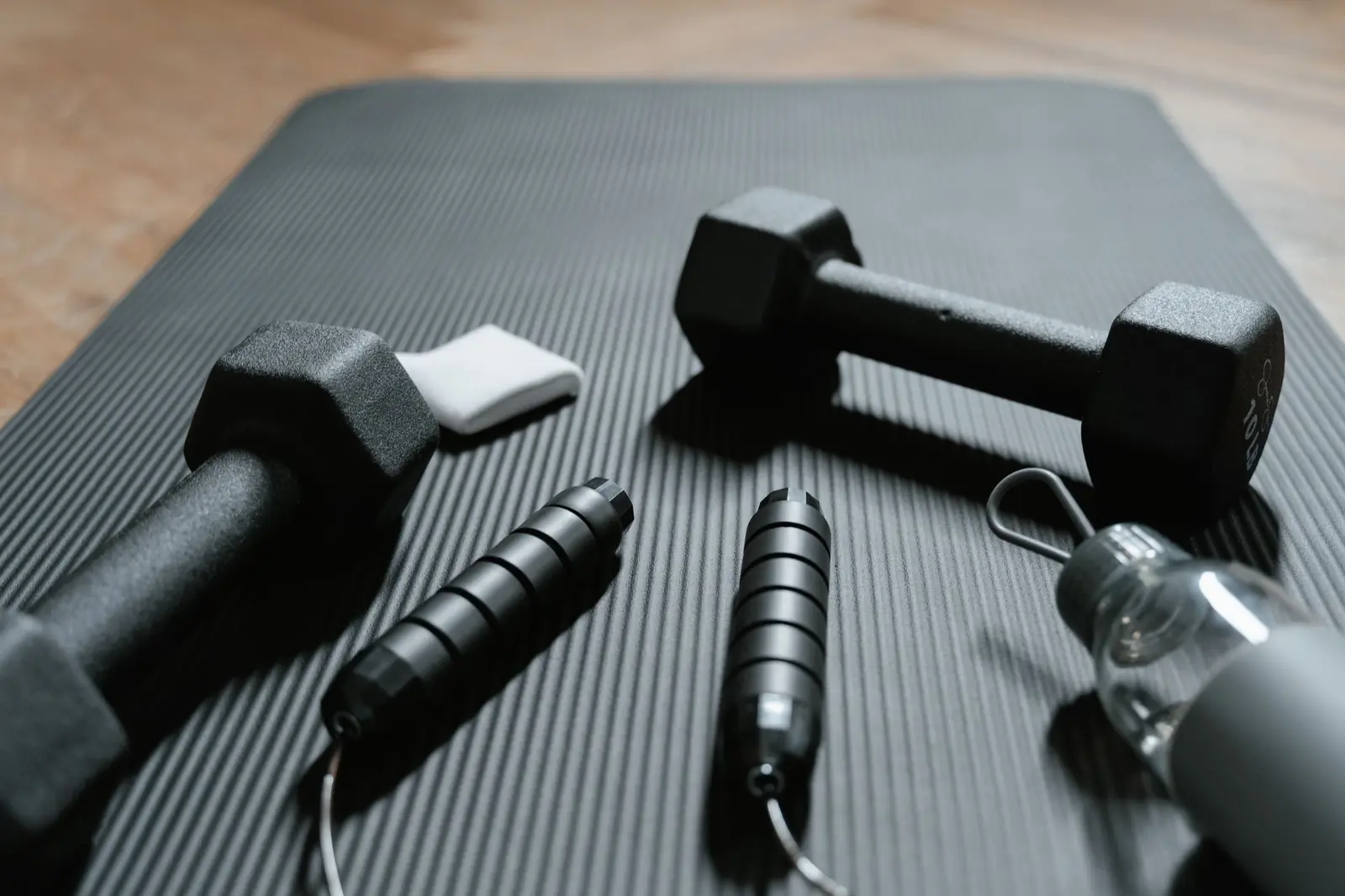
Most people think about their heart, their cholesterol and their weight as they get older. Fewer think about their muscles, even though strength is what lets you carry groceries up the stairs, get out of a low chair, and catch yourself when you trip on a curb. Muscle is one of the quieter measures of healthy aging, and one of the most changeable.
This article covers what the official guidelines say, what the research on strength and longevity shows, and how to begin in a way that suits your health.
What happens to muscle with age
Muscle mass and strength tend to decline across adult life, and the loss speeds up in later decades. When the loss becomes a disease, doctors call it sarcopenia. A European expert group that updated the definition in 2019 described sarcopenia as a muscle disease rooted in changes that build up over a lifetime, common in older adults but possible earlier. The group put low muscle strength at the center of the diagnosis, ahead of muscle size.
Weakness matters for more than appearance. The CDC lists lower body weakness first among the risk factors for falls in older adults, and notes that fall injuries can make it hard to get around, do everyday activities or live on your own.
What the guidelines recommend
The federal Physical Activity Guidelines for Americans ask adults to do muscle-strengthening activities on at least two days a week, alongside regular aerobic activity. For people 65 and older, the CDC summarizes the weekly target as at least 150 minutes of moderate aerobic activity, at least two days of muscle-strengthening activity, and activities that improve balance.
Strength work does not have to mean a gym. The National Institute on Aging describes strength exercises that can be done with resistance bands, light hand weights or your own body weight, such as wall push-ups or rising from a chair without using your hands.
What the research shows about strength and longevity
A 2022 review of 16 long-term studies in the British Journal of Sports Medicine found that adults who did muscle-strengthening activities had a 10 to 17 percent lower risk of death from any cause, as well as lower risks of heart disease, cancer and diabetes, independent of aerobic exercise. The largest benefit appeared at roughly 30 to 60 minutes a week. People who combined strength and aerobic activity did better than those who did neither.
These are observational studies, so they show an association rather than proof that lifting causes longer life. Still, the pattern is consistent, and the amount of time involved is modest: two or three short sessions a week.
Starting safely
A few principles make strength training safer and more likely to stick, especially if you have not lifted in years:
- Start light. Choose a weight or band you can move with good form for 10 to 15 repetitions, and add resistance gradually over weeks.
- Cover the big muscle groups. Legs, hips, back, chest, shoulders and arms. Leg strength matters most for getting up from chairs and staying steady.
- Breathe and move slowly. Avoid holding your breath while you lift, and lower the weight with control.
- Rest between sessions. Give a muscle group a day off before working it again.
- Consider a few sessions with a qualified trainer or physical therapist to learn form, particularly after a joint replacement or back problem.
Check with your doctor before starting if you have heart disease, uncontrolled blood pressure, recent surgery, osteoporosis or a joint that is acting up. Most people can strength train; the question is usually how, not whether.
How it fits with your other care
Muscle interacts with almost everything else an internist tracks. It helps the body handle blood sugar, it supports balance, and it can change how some lab values read. Creatinine, the blood test most often used to estimate kidney function, comes from muscle, so very low or very high muscle mass can affect the result. Our article on reading your kidney labs explains why.
If you are weighing a weight-loss medicine, strength training deserves a place in the plan, since the goal is to lose fat while keeping muscle. We cover that in GLP-1 medications for weight. For balance specifically, see balance and fall prevention.
At Legacy Medical, Dr. Shtern can talk through which exercises suit your joints, heart and medicines, and how to fit strength work into a week that already has walking, golf or tennis in it. The annual executive physical is a good moment for that conversation. If you would like to meet her first, the first visit is a complimentary meet and greet.
This article is general information, not advice for your situation. Members can call the office with questions about their own care.