Heart and blood pressure
White coat and masked hypertension: when office readings mislead
Blood pressure can read high in the office and normal at home, or the reverse. What white coat and masked hypertension mean, which one carries more risk, and how to tell.
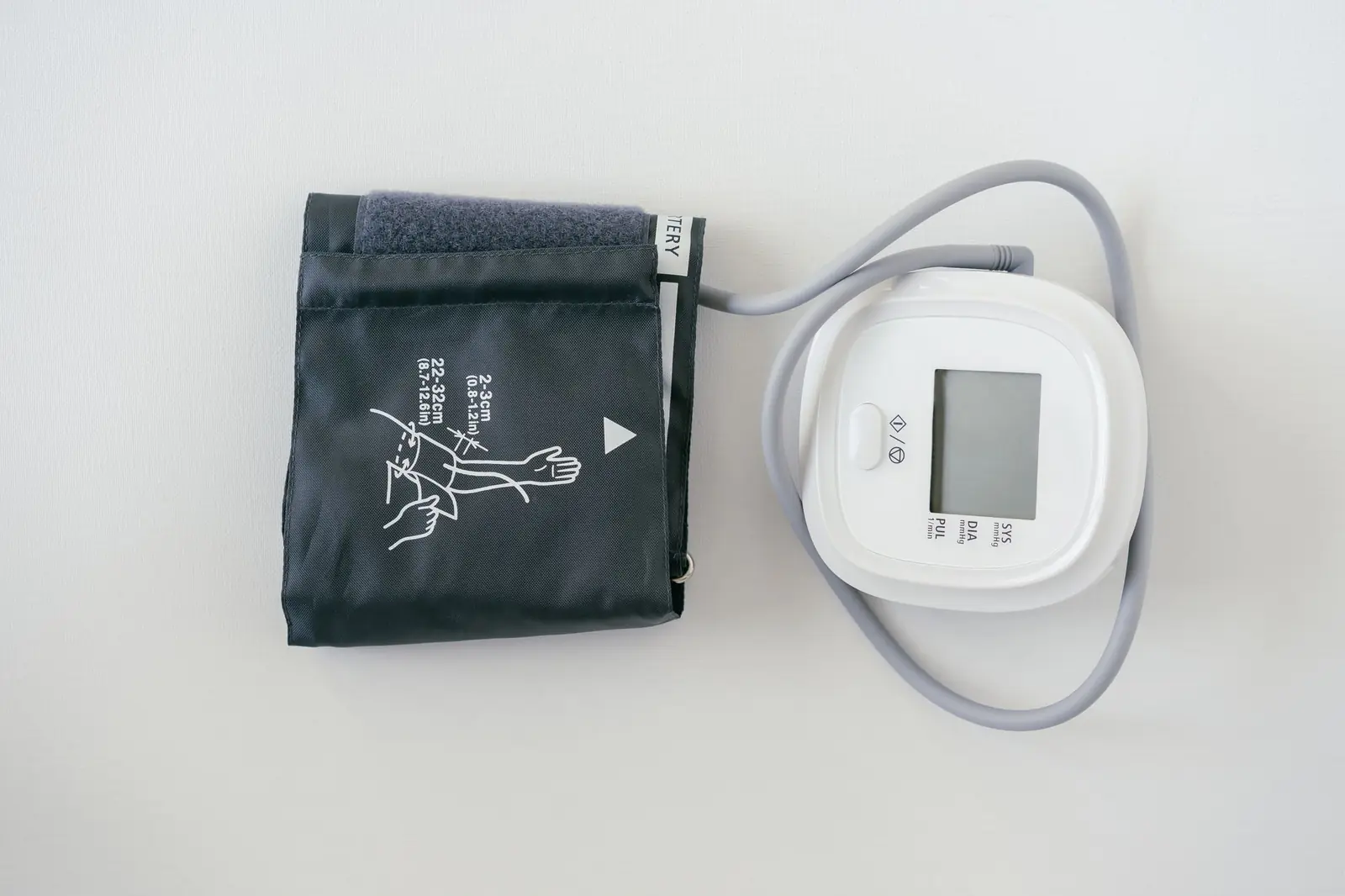
Many people say their blood pressure is always high at the doctor’s office and fine at home. Others are told their pressure is perfect at every visit, while their heart and kidneys quietly show the strain. Both situations are real, both have names, and both are reasons why current guidelines put so much weight on readings taken outside the office.
Two patterns, two names
The 2025 AHA/ACC blood pressure guideline defines them this way, for people not taking blood pressure medicine:
- White coat hypertension: high blood pressure in the office, normal blood pressure outside it.
- Masked hypertension: normal blood pressure in the office, high blood pressure outside it.
In people already on treatment, the same patterns are often called a white coat effect or masked uncontrolled hypertension. In the guideline’s framework, a home average of 130/80 or higher corresponds to an office reading of 130/80 or higher.
Which one matters more
It is natural to assume high office numbers are the bigger worry. The research points the other way. The 2025 guideline summarizes studies showing that white coat hypertension carries anywhere from no extra risk to a moderately increased risk of heart disease compared with normal blood pressure, and that any added risk may be limited to older adults who already have high cardiovascular risk. Sustained hypertension, high both in and out of the office, carries more risk than white coat hypertension.
Masked hypertension is the one that is easy to miss. The guideline notes that its risk of cardiovascular events is similar to that of sustained hypertension. Because office readings look normal, people with masked hypertension can go untreated for years. The guideline describes finding it as essential to avoid undertreatment, and suggests targeted home or ambulatory checks for people whose office pressures run close to the threshold, or who have signs of blood pressure-related organ damage that the office numbers do not explain.
One example is albumin in the urine in someone whose office readings are normal. Our article on the UACR urine test explains that kidney marker.
How each is found
Both patterns are found the same way: by measuring blood pressure away from the office. The US Preventive Services Task Force has recommended since 2021 that a high office reading be confirmed with measurements outside the clinic before treatment starts. The 2025 AHA/ACC guideline likewise recommends home blood pressure monitoring or 24-hour ambulatory monitoring to confirm the diagnosis.
- Ambulatory monitoring uses a cuff worn for a full day and night that inflates automatically at set intervals, including during sleep. The guideline treats it as the reference standard.
- Home monitoring uses a validated upper-arm cuff, with readings taken over several days. The 2025 guideline prefers it for ongoing follow-up once treatment has started.
Technique matters at home as much as in the office, and our guide to home blood pressure monitoring walks through it step by step. The 2025 guideline does not recommend cuffless devices, such as smartwatches, for diagnosing or treating high blood pressure.
What happens next
If home readings show white coat hypertension, the usual plan is not to start medicine on the strength of office numbers alone, but to keep checking. The Task Force notes it is still unclear whether treating white coat or masked hypertension improves outcomes, so these patterns are followed closely rather than ignored. Healthy habits such as lower sodium, regular activity and limited alcohol help either way.
There is one important exception. The guideline says adults with office readings of 160/100 or higher should be treated promptly rather than waiting for home confirmation.
If home readings reveal masked hypertension, treatment decisions follow your home numbers and your overall risk, just as they would for hypertension found in the office. For people already on medicine, a white coat effect matters too. The guideline advises ruling out a white coat effect before deciding that blood pressure is resistant to treatment, a topic covered in our article on resistant high blood pressure.
When to call a doctor
Call your doctor if your home average runs at 130/80 or above, or if home and office numbers consistently disagree. If a reading above 180/120 comes with chest pain, shortness of breath, back pain, numbness, weakness, a change in vision or difficulty speaking, the American Heart Association says to call 911.
Dr. Yana Shtern relies on accurate home readings and looks at the pattern rather than a single visit. You can read more on our hypertension page. If your office and home numbers do not agree, bring your log and your cuff to a complimentary meet and greet with Dr. Shtern.
This article is general information, not advice for your situation. Members can call the office with questions about their own care.