Everyday health
What is a pulse oximeter?
How a fingertip pulse oximeter measures blood oxygen, how to take an accurate reading at home, what the numbers mean, and what can throw readings off.
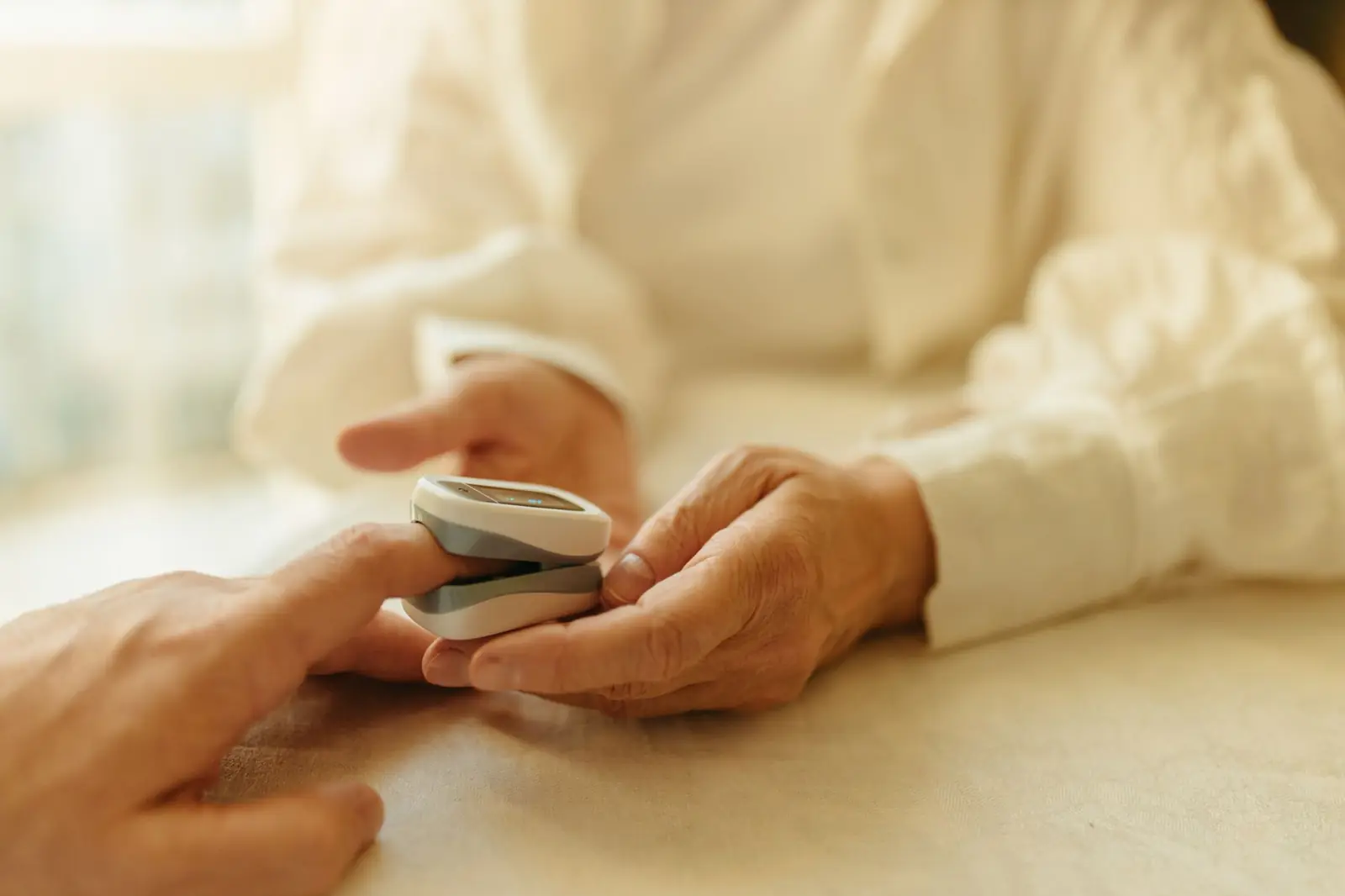
A popular device that can be bought over the counter is a pulse oximeter. It’s a device that can be placed on your finger (or toe) that measures the oxygen saturation level of your blood. Certain smartwatches on the market can also measure the oxygen concentration of the blood.
It is non-invasive, painless, rapid and easy to use, and the measurements can be taken in the comfort of your own home.
These devices became popular during the COVID-19 pandemic, when knowing the oxygen concentration of the blood was crucial. A typical pulse oximeter also provides a heart rate reading.
Pulse oximeters measure changes in light absorption in blood. The amount of oxygen in the blood is measured with small beams of light passing through the blood in the finger or toe being measured.
Health care professionals often use pulse oximeters to monitor blood oxygen levels in people who have lung diseases (such as COPD, asthma, lung cancer or pneumonia), heart diseases (such as heart failure, coronary artery disease or congenital heart disease), sleep apnea and anemia. This is done in the hospital, in the office, during sleep studies, during medical procedures that require anesthesia, or at home.
How to take a reading at home
- Remove nail polish from the finger or toe you are using for the measurement.
- Make sure your hand is warm, relaxed and below heart level.
- Place the device on your finger, earlobe or toe.
- Keep the pulse oximeter in place as long as necessary to get a measurement. Fingertip readings may be delayed by 30 seconds and toe readings by 90 seconds.
- Remove the device once the test is over.
Pulse oximetry readings
An oxygen saturation level of 95 percent or greater is considered typical for most healthy people.
A level of 92 percent or lower can indicate potential hypoxemia, which is a seriously low level of oxygen in the blood and is considered a medical emergency.
Various factors can affect readings, including a person’s skin tone, poor arterial blood flow in the measured limb, low blood pressure, low temperature of the measured limb, hypothermia, nail polish, artificial fingernails, motion and exposure to excessive light.
This article is general information, not advice for your situation. Members can call the office with questions about their own care.