
Infections and vaccines
The best way to wash your hands
Step-by-step hand washing with soap and water for at least 20 seconds, when to wash before and after, and when hand sanitizer with 60% alcohol will do.
Published in October 2020. COVID-19 figures and guidance have changed since then; check the CDC for current recommendations.
It seems trivial, but with the COVID-19 pandemic claiming over 213,000 deaths, proper hand washing is more important than ever. With proper hand-washing habits and techniques, you could help prevent the further spread of the COVID-19 virus and save lives.
How to wash
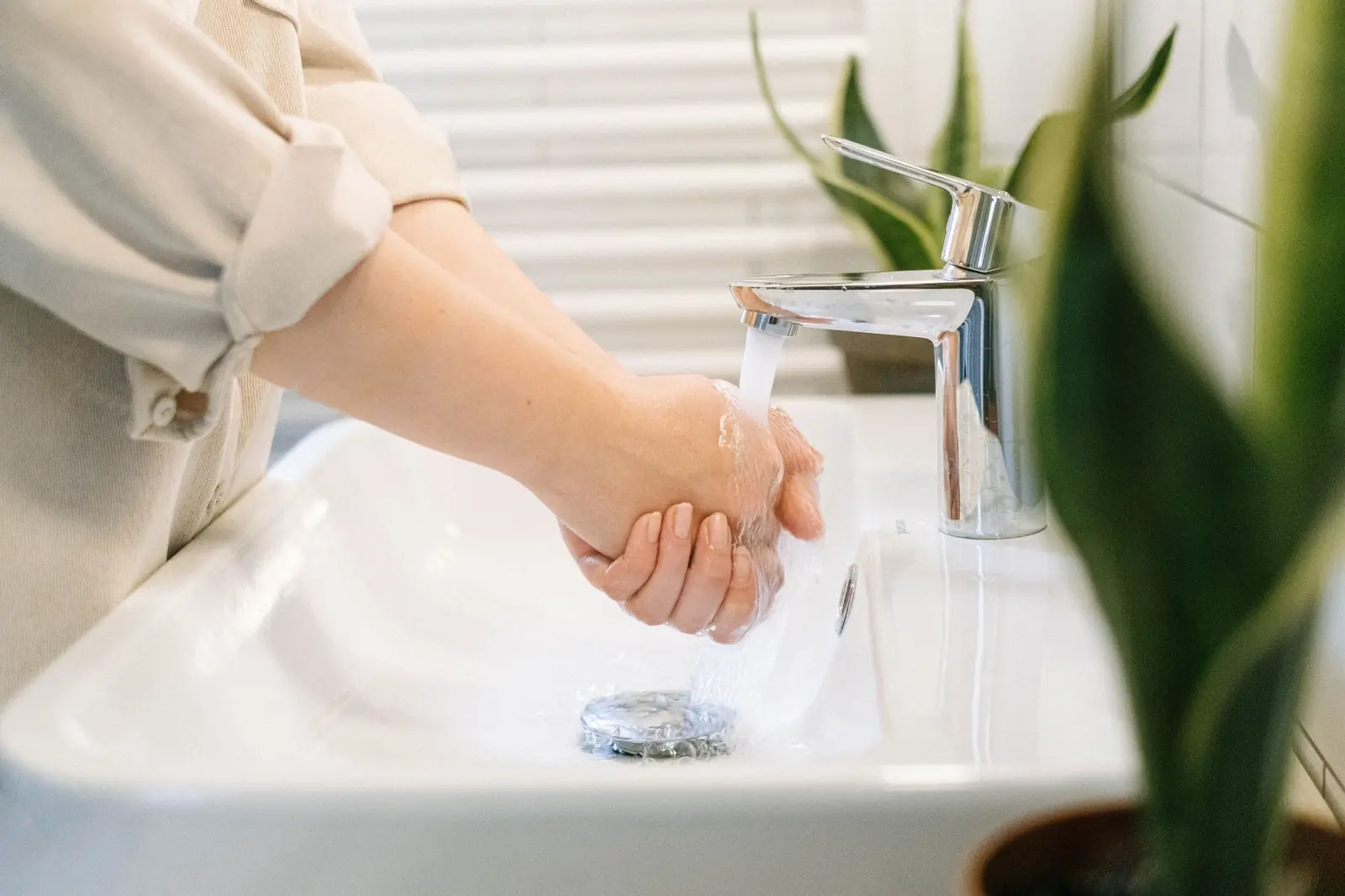
Proper hand washing is the simplest practice people can do to prevent the spread of germs throughout an entire community. To prevent the spread of disease, the CDC recommends washing your hands with soap and water for a minimum of 20 seconds. Here are the steps:
- Wet your hands with running water. The water can be either warm or cold; the temperature does not matter.
- Apply antibacterial soap to your hands and lather. Remember to soap up your wrists and forearms first, and work your way down to the backs of your hands, between your fingers, and your fingernails.
- Wash for at least 20 seconds. Sing the “Happy Birthday” song.
- After you wash for 20 seconds, rinse thoroughly under running water.
- Dry your hands with a clean towel.
What to use
Soap and water are all you need to properly wash your hands. Try an antibacterial hand soap and running sink water. The water temperature doesn’t have an impact on the end result.
When to wash
It’s important to wash your hands not only after you do things, but before as well.
Wash your hands before you:
- Prepare food or eat
- Treat a cut
- Touch your face or mouth
- Use the restroom
- Leave the house and interact with others
- Touch, put on or remove your face mask
Wash your hands after you:
- Treat a cut
- Care for someone who is ill
- Have gone out and interacted with others
- Use the restroom
- Touch or feed pets
- Handle trash
- Touch, put on or remove your face mask
- Touch your face
Techniques
Most of us aren’t used to these hand-washing techniques. But drastic times call for better hand washing.
- Remember to wash the backs of your hands, up your wrists and forearms.
- Remember to wash between your fingers.
- Remember to wash underneath your fingernails.
- Lather for 20 seconds before rinsing.
Hand-washing substitutes
No other hand-cleaning substitute is as effective as soap and water. Washing with soap and water removes most kinds of germs. Hand sanitizers kill many germs, but not all of them.
Sometimes, though, it’s difficult to find a hand-washing station, particularly if you’re on the road. The best substitute is a hand sanitizer that contains at least 60% alcohol. It’s a good way to kill most germs in a jiffy. Remember to wash your hands as soon as you can afterwards.
Keep in mind: sanitizers don’t remove harmful chemicals or pesticides from your skin.
Common-sense practice
If you are overwhelmed with best practices for preventing the spread of the coronavirus, just remember that the best rule of thumb is to use common sense. If you’re out of your home and touching things, you need to wash your hands before you eat or touch your face. Simple as that.
This article is general information, not advice for your situation. Members can call the office with questions about their own care.