Everyday health
Hair loss in men and women
Why hair thins in men and women, from androgenetic alopecia and DHT to stress, iron deficiency and thyroid disease, and the treatments that can help.
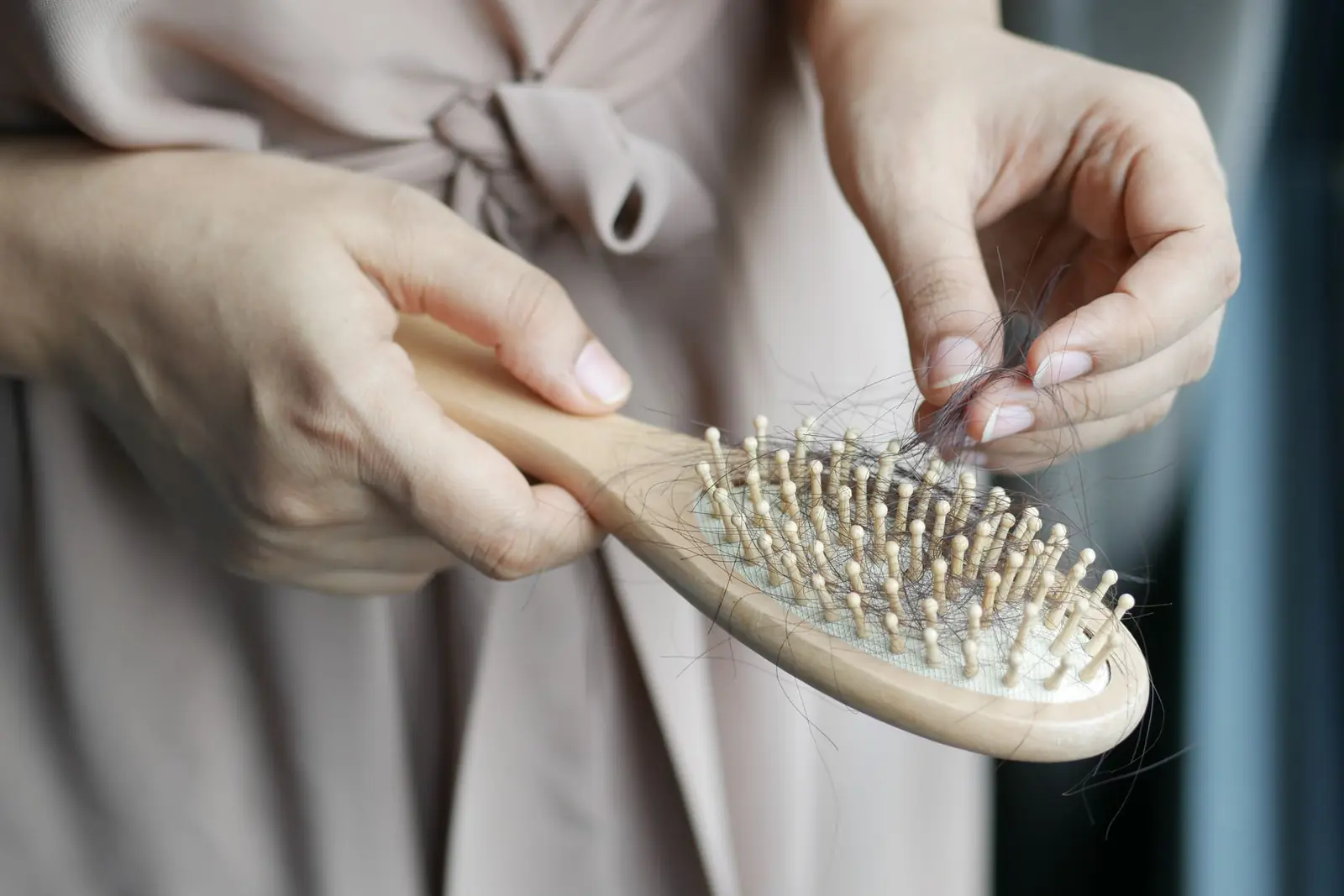
Hair loss is a fact of life for millions of people. While it is most often associated with men, it happens to some women too. What are the causes of hair loss, and how can it be treated?
The causes of hair loss
There are several reasons why a person may start losing hair, but the most common is a condition called androgenetic alopecia. This condition is associated with dihydrotestosterone (DHT), a derivative of the male hormone testosterone, and its effects on the scalp. DHT binds to hair follicles and shrinks them, killing hair and slowing its growth. While the condition is common in men, it happens in women too. In fact, roughly 40% of people with hair loss in America are women. Women can also experience hair loss as a result of telogen effluvium, a condition that can develop as a result of stress or poor nutrition.
Treating hair loss
Hair loss can have severe emotional effects on both sexes, but it is often more distressing for women. Many men never seek treatment for hair loss, as they have come to regard it as a natural part of male maturity. For women, more so than for men, it is seen as a problem that needs to be remedied. The truth is that, whether or not hair loss is natural or hereditary, it can be treated, and most of the available treatments do not depend on the patient’s sex. The most common drug prescribed for hair loss is minoxidil, which stimulates hair follicles to produce new growth. Finasteride, a treatment that reduces the production of DHT, is often prescribed to men as well. This drug has not been approved for use by women, as trials suggest that it may cause birth defects; women who are or may become pregnant should not take it or handle broken tablets.
Most importantly, if you have noticed hair loss, discuss it with your physician, as many cases can be caused by medical conditions such as iron deficiency, thyroid disorders, menopause or autoimmune diseases. In many cases, if the underlying disease is addressed, the hair can grow back.
Thankfully, research is underway and progress is being made in this field. Medications and hair restoration procedures can be offered to those with hair loss. The chances of both men and women restoring their hair growth are more promising than ever.
This article is general information, not advice for your situation. Members can call the office with questions about their own care.