
Infections and vaccines
COVID-19: 5 tips on how to avoid spreading the virus
Our August 2020 advice on COVID-19: hand washing, distancing, masks, cleaning surfaces and watching for symptoms. Kept as a record; guidance has changed.
Published in August 2020, early in the COVID-19 pandemic. Vaccines are now available and the guidance has changed; check the CDC for current recommendations.
This year, the novel coronavirus has swept the globe, quickly becoming the most severe pandemic in recent history since the influenza pandemic 100 years ago. Symptoms can vary greatly. Some cases show mild or no symptoms and others are severe. According to the Centers for Disease Control and Prevention (CDC), there have been a total of 4,974,959 cases in the United States alone as of July 31, 2020. Of those cases, 161,284 have resulted in death. In Palm Beach County, there have been a total of 37,018 cases and 931 deaths, making it the third most at-risk county in Florida behind Broward and Miami-Dade.
The spread of COVID-19 has changed the way we all interact in our daily lives, and with no end in sight (there is currently no vaccine), it’s important to familiarize yourself with the measures you can take to avoid spreading or contracting this deadly virus.
1. Wash your hands
At a young age, we all learned that it’s important to wash our hands. But at that age, we never imagined that such a simple action could save lives. Properly washing your hands (20 seconds with soap and water) will kill any pathogens that you’ve picked up from touching surfaces. Make sure to lather your hands with soap, washing the backs of your hands, between your fingers and under your nails. We recommend starting from your forearm and working down to your fingers.
Wash as frequently as possible, but especially remember to wash:
- Before and after eating
- Before and after visiting the restroom
- Before and after touching your face, nose or mask
- Before and after going out in public
- Before and after touching your pets or other animals
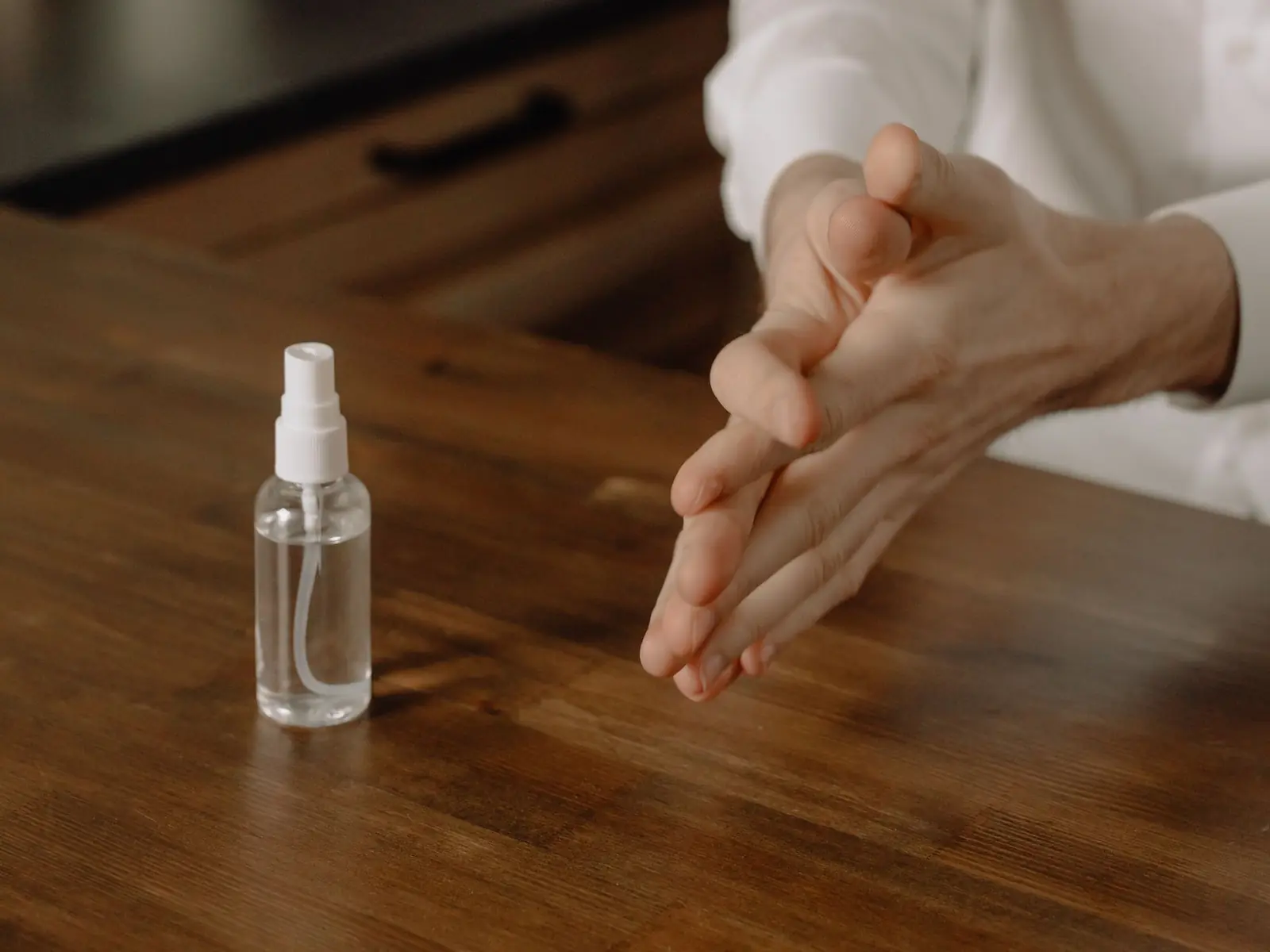
Of course, if no soap and water is available, please use a hand sanitizer that contains at least 60% alcohol.
Washing your hands has always been part of most of our daily habits. But now, more than ever, and with more frequency, it is crucial.
2. Avoid close contact
Social distancing is extremely effective. When you are outside of your home, it’s important to keep two arm-lengths (6 feet) of distance from people who don’t live in your home.
COVID-19 spreads via respiratory droplets that can be transmitted through coughing, sneezing or even talking. Effective distancing can lower the risk of inhaling these droplets. And effective distancing, combined with the use of a face covering, is ideal.
3. Cover your mouth and nose with a mask when around others
Recently, Palm Beach County issued a mandate requiring everyone to wear a mask when they are out in public. Since then, the facial coverings directive has been extended:
Emergency Order 2020-012 has been extended for an additional thirty (30) days, until 12:01 a.m. on August 23, 2020. This order applies in all incorporated and unincorporated areas of Palm Beach County (as found on discover.pbcgov.org).
Wearing your mask is not only safe, it is required.
4. Clean and disinfect your space
Although you are regularly keeping your hands clean, at one point or another you may transmit pathogens to a frequently touched surface like a work desk, doorknob, light switch, sink faucet or cell phone. Make sure you clean these surfaces regularly with a soapy detergent, following up with a household disinfectant.
If you think these actions are overboard, just think about your phone. You bring it with you everywhere. You pull it out at work, at the store, at a restaurant, or even in the restroom. You may also set it down on a surface in one of those places. You then put your phone in your pocket, wash your hands, and touch your “infected” phone minutes later. If you wash your hands, disinfect your phone too. Follow your phone manufacturer’s instructions to disinfect it properly. Cleaning and disinfecting your space is an important step to include in your routine.
5. Monitor your health closely
Familiarize yourself with the COVID-19 symptoms and check yourself regularly. Are you experiencing:
- Fever or chills
- Cough
- Shortness of breath
- Fatigue
- Muscle aches
- Headache
- Sore throat
- Congestion
- Nausea
- Diarrhea
- New loss of taste or smell
A great monitoring habit is to take your temperature regularly.
All it takes is the extra effort
Living through a pandemic can be incredibly stressful and anxiety-inducing, but it can be comforting to strip everything in our lives back down to the basics of health and safety. Our health is a basic necessity. If we take the extra measures above to keep ourselves and our family members safe from COVID-19, we can keep our good health. And our good health is the most important thing in our lives right now.
Our practice and COVID-19
Since the coronavirus outbreak, we have been offering our vulnerable patients the option of drive-thru testing, including blood draws, COVID-19 testing and injections, all done in the parking lot outside our office.
The safety measures we’ve taken inside our office include daily temperature checks and testing of our staff, in addition to following the guidelines above.
This article is general information, not advice for your situation. Members can call the office with questions about their own care.